From Bulk to Selective Autophagy: A Journey through Its Physiological and Therapeutic Relevance
- research
- study
- third mission
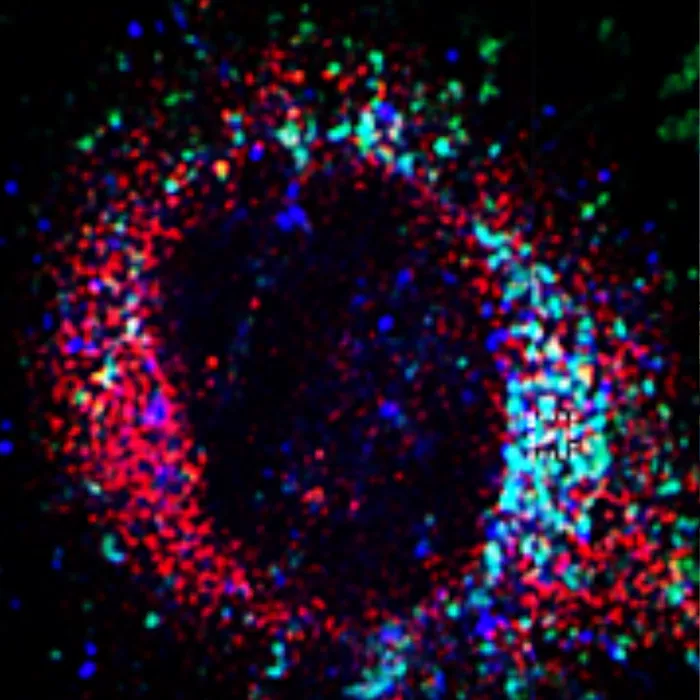
Macroautophagy (commonly referred to as autophagy) is an evolutionarily conserved catabolic process that degrades cytosolic components by sequestering them into double-membrane autophagic vesicles (AVs), which are subsequently broken down by lysosomes. The physiological and medical significance of autophagy is widely acknowledged, but we still lack important knowledge on the mechanism governing autophagy in response to tissue-specific needs.
In this talk, I will discuss emerging pathways that regulate substrate selection during autophagy in response to various metabolic, developmental, and disease-related stimuli.
Special attention will be given to new mechanisms controlling the degradation of the endoplasmic reticulum and ribosomes through autophagy.
These findings challenge the long-standing view that starvation-induced autophagy is a bulk, non-selective process and open new possibilities for the development of novel therapeutic approaches based on the selective autophagy modulation.