The Sahel as a Security Project: Perspectives of State and Non-State Actors
as part of the course ‘Africa in International Relations’
- ricerca
- studiare
- terza missione
Abstract
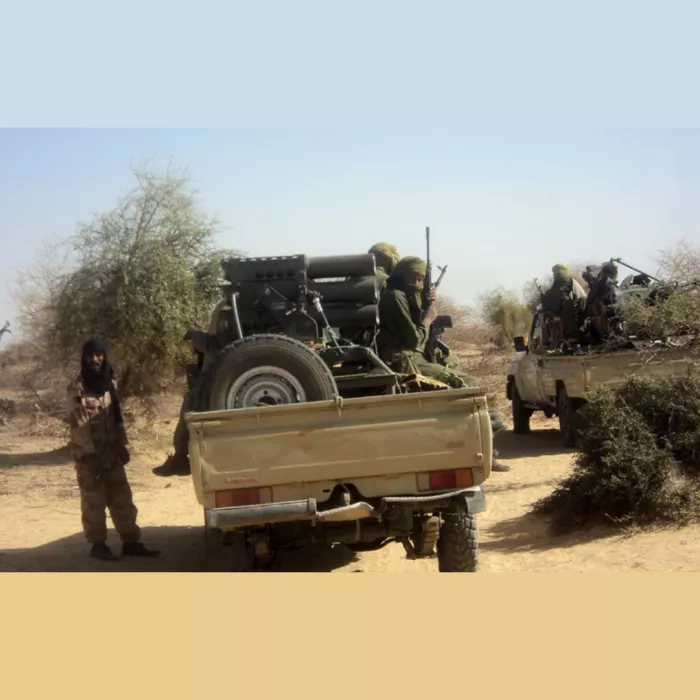
Over the last few decades, the borderland regions of West Africa’s Sahel have increasingly attracted national and international attention due to the expansion of activities by non-state armed groups associated with the jihadi-Salafi strand of Islam: Jamā’at Ahl al-Sunnah li al-Da'wa wa’l-Jihād (JAS, known as Boko Haram) and al-Dawla al-Islamiyya Wilāyat Garb Ifrīqīyā (known as ISWAP) in the four-border region of Lake Chad; and local offshoots of Jama'at Nusrat al-Islam wal-Muslimin (known as JNIM) and the Islamic State (IS-Sahel) in the four-border region between Burkina Faso, Togo, Benin, and Nigeria.
Conventional paradigms deployed to explain and understand the rise of these armed groups, which privilege state-centric and institution-based approaches, have failed to fully account for the governance of security, justice, and economic flows in the region. In this lecture, we will discuss how the Sahel emerged as a security project for different actors, both state and non-state, in order to understand how security governance is forged, contested, and renegotiated through the contention between different region-building projects.