Interdisciplinary omic studies to evaluate, understand and create agri-food biodiversity
- research
- study
Abstract
A detailed characterization of intraspecific genetic-phenotypic diversity is crucial for developing new plant varieties with enhanced stress resilience and improved nutritional and organoleptic qualities. The integration of morphophysiological and biochemical analyses with multi-omic and high-throughput methodologies represents a key strategy for the genetic improvement of fruit species. In recent years, breeding programs have aimed to enhance adaptability to diverse environments, extend shelf life, and improve fruit quality. However, the vast inter- and intraspecific genetic and phenotypic variability necessitates comprehensive analysis to optimize breeding programs and supply chain management.
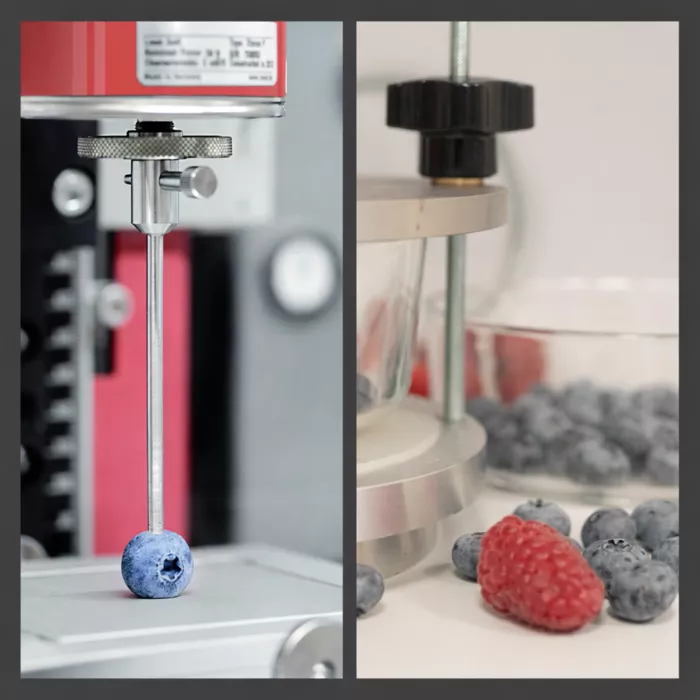
We present innovative approaches for analyzing texture and primary and secondary metabolites, applied to germplasm collections and segregating populations, evaluated both at harvest and following various conservation strategies, such as different controlled atmosphere conditions. The analytical techniques employed include NMR spectroscopy, PTR-ToF-MS, GC-MS, and UHPLC-MS/MS, enabling detailed and integrated characterization of fruit metabolic and physicochemical profiles.
The results obtained in recent years have facilitated a detailed assessment of intraspecific diversity among various fruit species of interest, revealing new insights into metabolic processes related to fruit ripening and storage, as well as susceptibility to abiotic and biotic stresses.
This knowledge may allow for more precise selection of new accessions with superior qualities and more sustainable and targeted cultivation and storage practices, with potential benefits throughout the entire production chain.
Author Biography
Dr. Brian Farneti has been a researcher at the Edmund Mach Foundation since 2012, where he works within the Fruit Tree Genetics and Breeding Unit.
His scientific activity broadly explores the field of fruit growing, with a particular focus on fruit quality, ripening physiology, and post-harvest storage, alongside solid studies in genetics and breeding.
Currently, his main research line is focused on small fruits, specifically blueberry, raspberry, and strawberry. At the same time, thanks to a wide network of collaborations with institutions and colleagues, he continues to carry out studies on major crops previously investigated, such as apple, kiwi, and grapevine.
Over the years, he has consistently integrated innovative approaches into his research. He has extensive experience in applying advanced phenotyping and omics analysis techniques, specializing in particular in:
- Volatile compounds analysis (VOCs)
- Primary and secondary metabolite profiling
- Instrumental texture analysis
- Image analysis and hyperspectral imaging