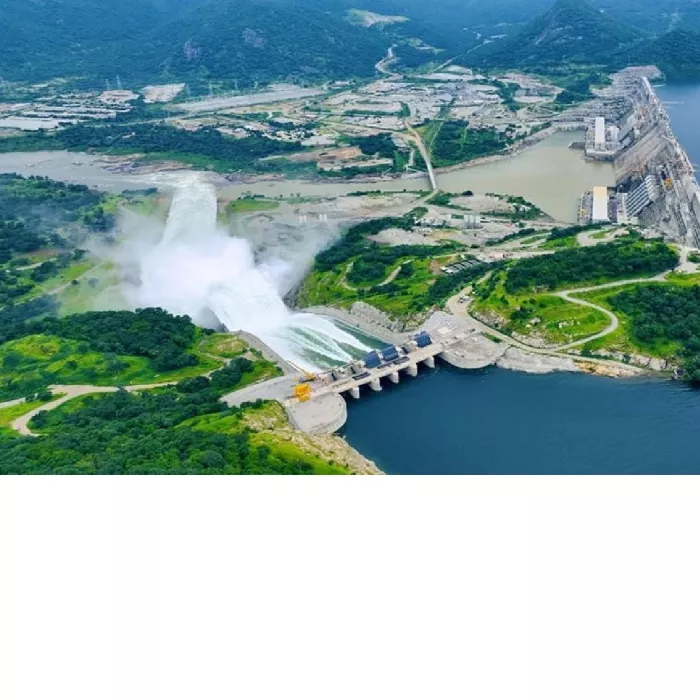
Transboundary conflict in the Nile Basin: the Great Ethiopian Renaissance Dam in the context of water security studies
The Nile Basin encompasses 11 riparian states, home to nearly 600 million people, and covers roughly one-tenth of Africa’s landmass. Despite being bound by this shared and vital lifeline, the upstream and downstream nations remain divided - not only by geography, but also by ideology, history, and culture. Among these nations, Ethiopia and Egypt have emerged as the principal rivals. The introduction of the liberal concept of “water security” into the Nile discourse in the early 2000s has paradoxically intensified divisions among the riparian states. At the center of the contention also lies the construction of the Grand Ethiopian Renaissance Dam (GERD) on the Blue Nile, which contributes approximately 86% of the Nile’s total flow. I argue that the growing emphasis on national water security has not only deepened political and ideological fissures among the Nile states but has also obscured a broader and equally critical dimension—that of environmental and ecological security, upon which the long-term sustainability of the entire basin ultimately depends.