Mobility and State Formation: Historical Sociological Perspectives on the Ottoman Passport Regime.
- ricerca
- studiare
Introduce
Rosa Salzberg, Università di Trento
Abstract
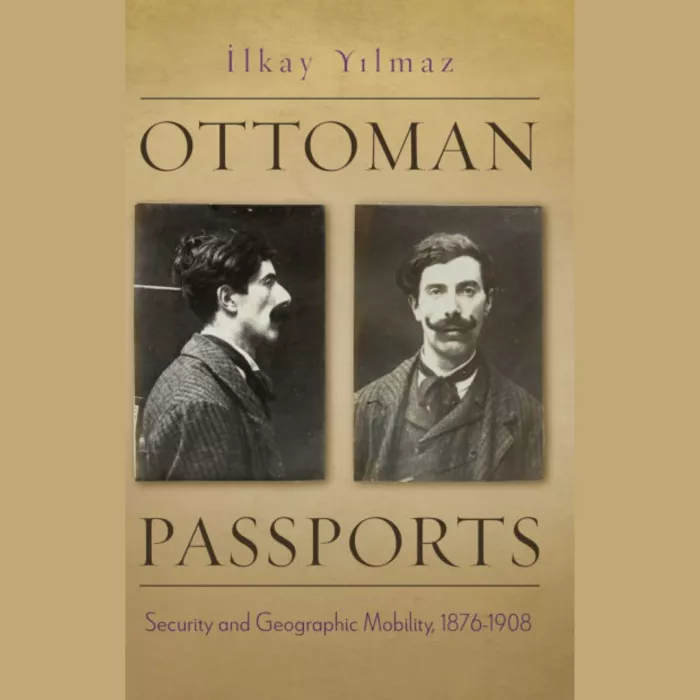
This talk traces how the Ottoman state reconfigured the relationship between mobility, identity, and security from the Berlin Treaty to the Constitutional Revolution. Situating the empire within global histories of policing, identification, and migration control, the book argues that the introduction of passports, travel permits, and identity papers was not simply a case of bureaucratic imitation but a strategic response to the challenges of governing a fragmented and mobile population through the discussions of historical sociology. The passport emerged as a key political technology, both a marker of belonging and an instrument of suspicion, through which the state sought to redefine loyalty, citizenship, and sovereignty in an era of intensified global movement.
Reconsidering the interconnected histories of the Armenian and Macedonian questions, the book reveals how Ottoman mobility restrictions and passport regimes became integral to transimperial campaigns against anarchism and revolutionary networks. By analyzing travel regulations and policing practices, this work shows how new categories of suspicion—such as the vagrant, conspirator, and anarchist—functioned as tools of governance, discrimination and exclusion. These measures contributed to the systematic criminalization of Armenians, Bulgarians, seasonal laborers, and political activists, illustrating how mobility control operated at the intersection of security, surveillance, and imperial politics.This presentation uncovers how the late Ottoman state blended older administrative traditions with emerging global security techniques, shaping a distinctive regime of control that linked movement to threat and identity to loyalty.